Costa del Sol
Málaga
The capital of the coast
The place
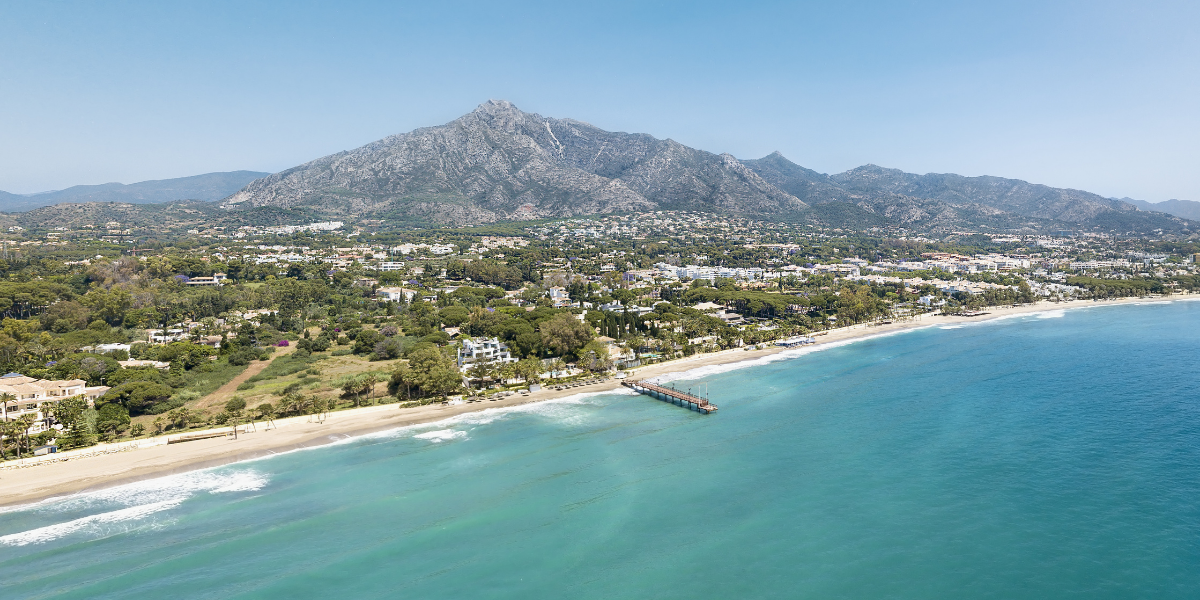
Málaga has spent the last decade reinventing itself. The Phoenician harbour Picasso was born above is now a Mediterranean city with more than forty museums, a tram-walked old town, and a regenerated port where cruise liners share the quay with palm-lined promenades. With nearly 600,000 residents, an international airport thirty minutes from every coastal village, and direct AVE trains to Madrid in under three hours, it has become the practical anchor of the Costa del Sol.
01
Old city, new energy
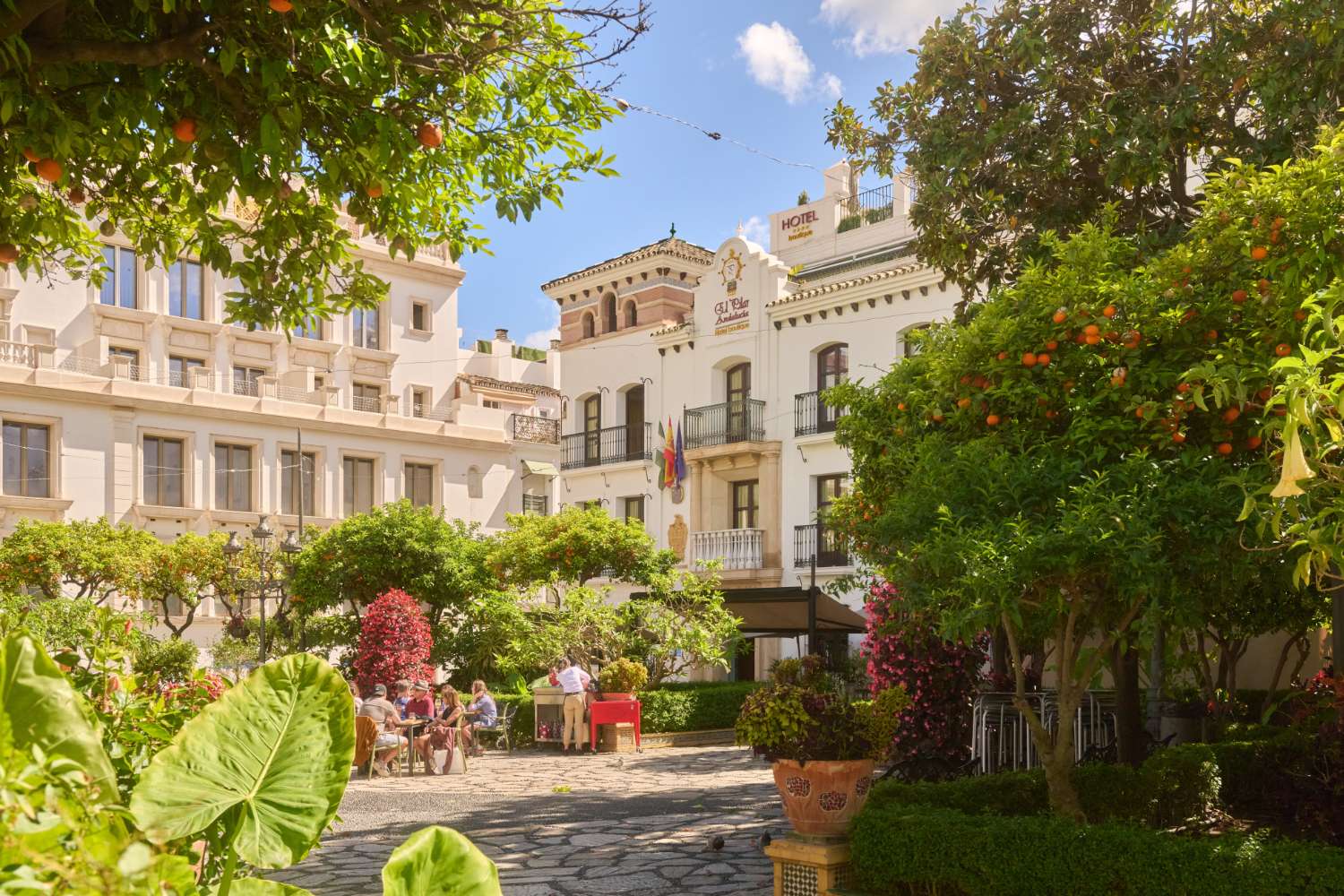
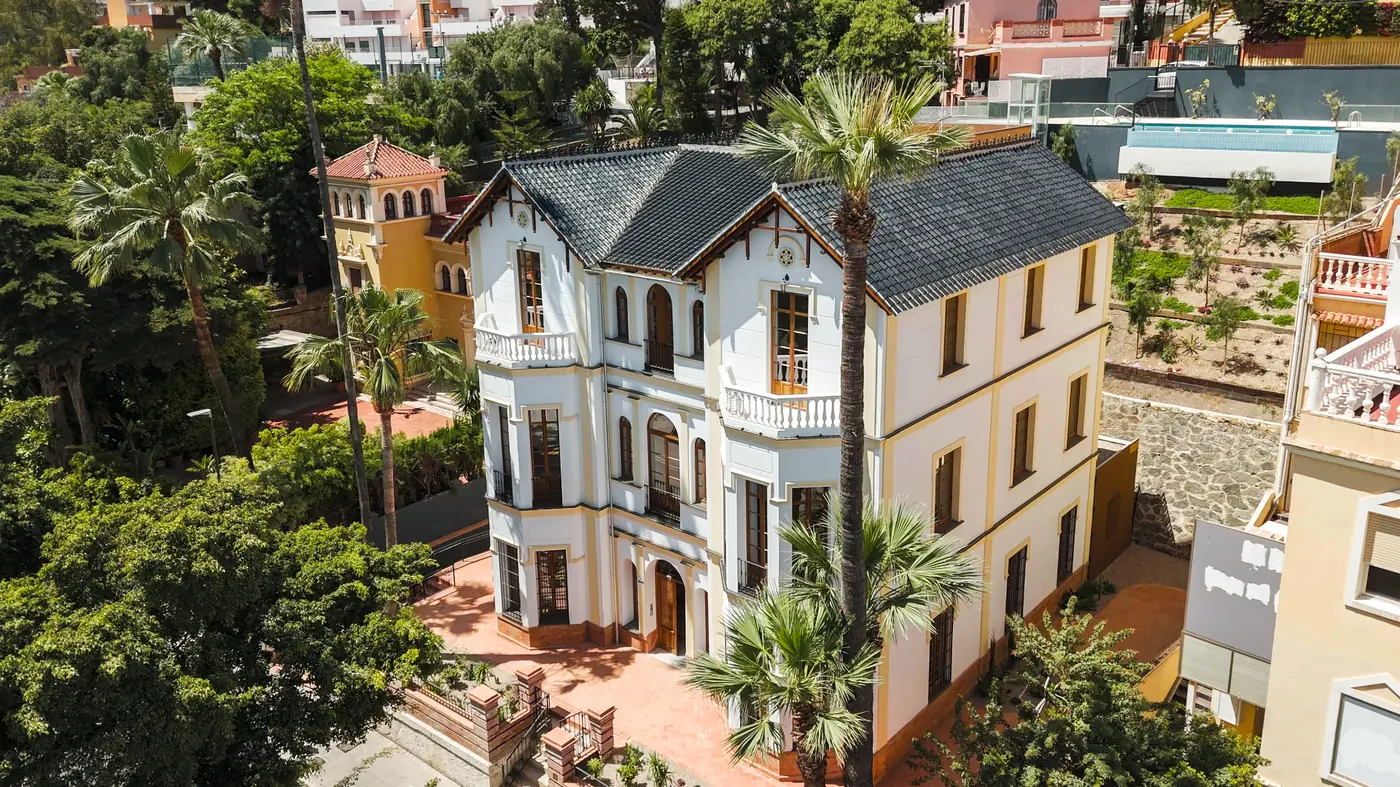
The historic centre, from the Roman theatre at the foot of the Alcazaba down to Calle Larios, has been pedestrianised and restored over the past fifteen years. Independent galleries, third-wave coffee and rooftop bars now share the Renaissance lanes with century-old tabernas. Soho, just west of the port, has reinvented itself as the city's street-art and design district.
02
An evolving residential map
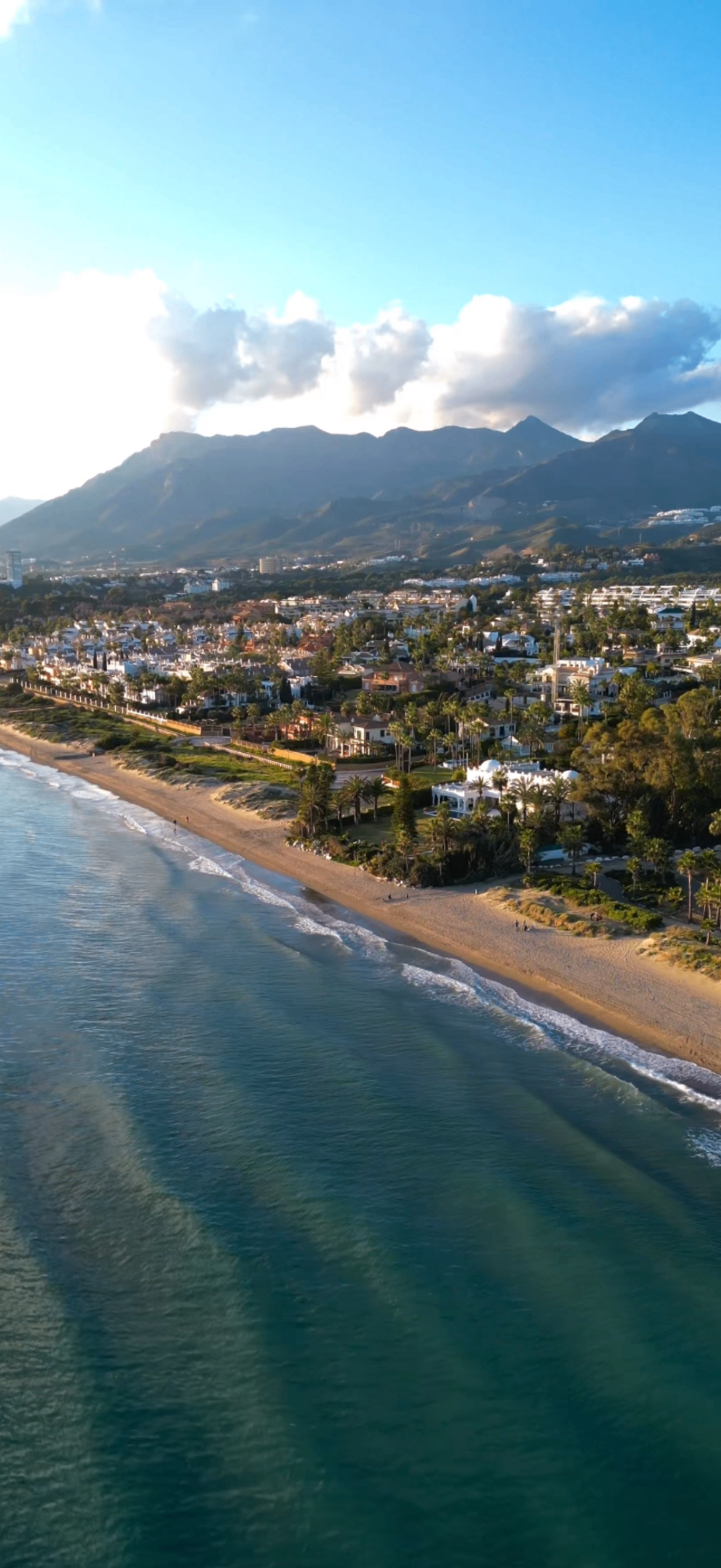
Buyers split between the historic centre, restored apartments from €4,500,7,000 per square metre, and the eastern beachfront neighbourhoods of Pedregalejo and El Palo, where former fishermen's cottages sit on quiet seaside lanes. To the west, the regenerated Muelle Uno and Limonar offer modern apartments with port and Mediterranean views. The city has posted the strongest price growth in Andalusia for three consecutive years.
03
Schools, healthcare and golf
The city is home to international schools including The British School of Málaga, Colegio Alemán Juan Hoffmann and Sunny View, alongside the University of Málaga's two campuses. Healthcare is well covered by the public Hospital Regional Universitario and Hospital Clínico Universitario, with private options at Vithas Xanit Limonar and Quirónsalud Málaga. Golfers have Parador de Málaga, Guadalhorce and Lauro Golf within twenty minutes, with the densest stretch of Costa del Sol courses opening up just west toward Mijas and Marbella.

At a glance
15 min
To airport
~590,000
Population
€3,180
Avg. price / m²
40+
Museums
Eat & drink
Where Málaga eats
From Michelin-starred tasting menus to whitewashed tapas bars and chiringuitos grilling sardines on the sand.
Fine dining
José Carlos García
Andalusian · Michelin
Michelin-starred restaurant at Muelle Uno, contemporary Andalusian cooking with sweeping views over the port and the lighthouse.
Restaurante Kaleja
Andalusian · Michelin
Dani Carnero's Michelin-starred kitchen in the historic centre, a deeply personal take on traditional Málaga cooking.
Beluga Málaga
Mediterranean · contemporary
Elegant restaurant just off Calle Larios with contemporary Mediterranean menus and a refined city-centre setting.
Local tapas
El Pimpi
Andalusian tapas
The most famous bodega in Málaga, set in a maze of rooms by the Roman theatre, with classic Málaga wines and tapas.
Casa Lola
Andalusian tapas
Lively tapas bar in the historic centre, traditional Andalusian small plates and a buzzing local crowd.
Uvedoble Taberna
Tapas · contemporary
Modern taberna near the Cathedral, creative takes on classic Málaga tapas with a strong local wine list.
Beach club
Chiringuito El Tintero
Seafood · auction
Legendary El Palo chiringuito where waiters auction off fresh fish dishes table to table, a Málaga institution.
La Deriva Beach Club
Mediterranean · beach
Beach club on the eastern coast of the city with pool, sun loungers and Mediterranean dining by the sea.
Golf
Courses around Málaga
Parador de Málaga Golf
Historic seaside course at the Parador hotel, one of the oldest in Spain, ten minutes from the city centre.
Real Club de Campo de Málaga
Long-established parkland course close to the airport, a favourite of city residents.
Guadalhorce Club de Golf
Mature 18-hole course in the Guadalhorce valley, fifteen minutes inland from the city.
Lauro Golf
27-hole course in the hills above Alhaurín, twenty minutes from Málaga centre.
Alhaurín Golf
Severiano Ballesteros design with mountain views, a short drive west of the city.
Beaches
The coast at Málaga
Playa de la Malagueta
The city beach, a short walk from the historic centre, lined with chiringuitos and the Paseo Marítimo.
Playa de Pedregalejo
Former fishermen's beach in the east of the city, broken into small coves with classic espeto-grilled sardines.
Playa de El Palo
Long-standing fishing neighbourhood beach, home to El Tintero and a string of family-run chiringuitos.
Playa de la Misericordia
Wide sandy beach west of the port, popular with city residents and runners on the Paseo.
International schools
For families
The British School of Málaga
British curriculum from Early Years to A-Levels, on the western edge of the city.
Colegio Alemán Juan Hoffmann
German curriculum, long established and one of the largest German schools in southern Spain.
Sunny View School
British curriculum on the eastern side of Málaga, popular with international families.
Colegio Internacional Torrequebrada
British and Spanish curriculum, a short drive west toward Benalmádena.
Getting around
15 min
Málaga Airport (AGP)
2 h 30 min
Madrid (AVE train)
45 min
Marbella centre
50 min
Nerja
1 h 30 min
Ronda
1 h 30 min
Granada
FAQ
Living in Málaga
What makes Málaga different from the rest of the Costa del Sol?
Málaga is a working city of nearly 600,000 people, not a resort. It has more than forty museums, a pedestrianised historic centre, a regenerated port, an international airport fifteen minutes from the city, and direct AVE trains to Madrid in under three hours, all wrapped around a two-thousand year old core.
How much does property cost in Málaga?
Restored apartments in the historic centre run roughly €4,500 to €7,000 per square metre, with the eastern beachfront neighbourhoods of Pedregalejo and El Palo offering more space at lower prices. The city has posted the strongest price growth in Andalusia for three consecutive years.
Is Málaga good for families?
Yes. The British School of Málaga, Colegio Alemán Juan Hoffmann and Sunny View are well established, the public and private healthcare network is strong, and the city is walkable and safe with a long Paseo Marítimo that runs from the centre to El Palo.
Do you need a car in Málaga?
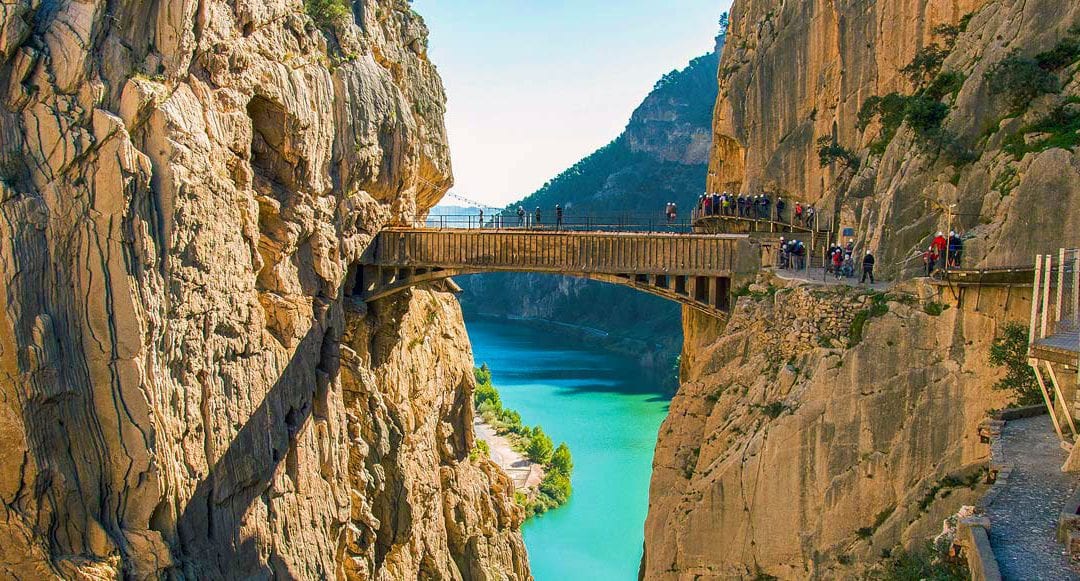
Not really. The historic centre is fully pedestrianised, the city has a clean modern metro and an extensive bus network, and the airport is reachable in fifteen minutes by suburban train. A car is useful for trips along the coast or inland to Ronda and the Caminito del Rey.
How well connected is Málaga to the rest of Spain and Europe?
Málaga–Costa del Sol Airport (AGP) is the fourth busiest in Spain, with direct flights to most major European cities. The AVE high-speed train reaches Madrid in under three hours, and the AP-7 motorway runs west along the entire Costa del Sol toward Gibraltar.
For sale here
A taste of Málaga
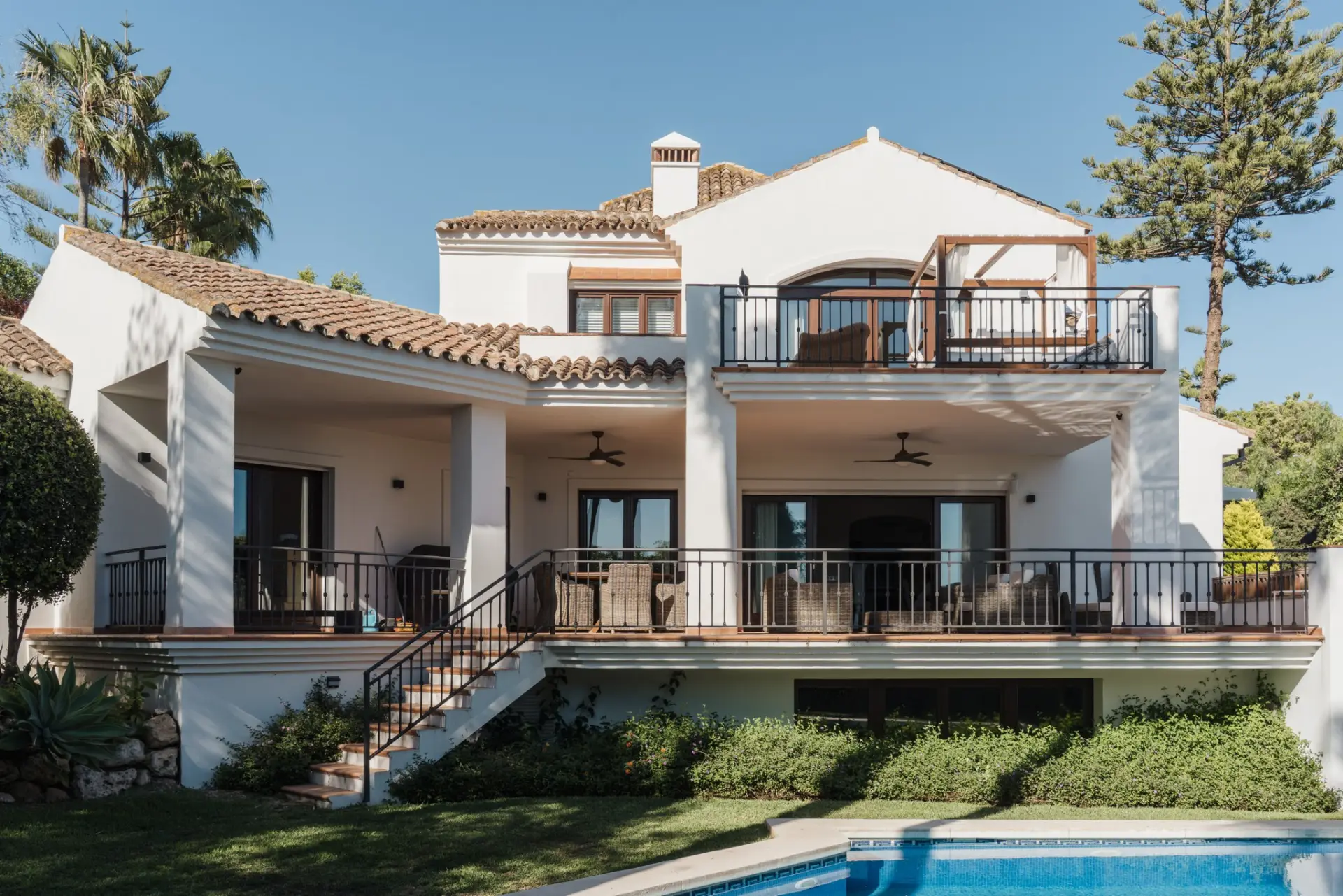
A spread of homes currently on the market in Málaga, across price points.

Keep exploring